UNIVERSES IN RHYMES - STEAM LEARNING

WHO ARE WE?

Science happens every day, and so does fun. From the physics of baseball and skateboarding to the technology behind music and social media.  Science underpins every adventure. When subjects are treated in isolation, natural brain patterns are disrupted, and learning becomes fragmented. We capture the magic of curiosity, encouraging children to keep asking why.

Science and play are not separate activities. They are the same neurological process. At Universes in Rhymes, we make science an adventure by integrating Language Arts, Social Emotional Learning (SEL), and science into rhythmic, fully illustrated picture books designed for early readers.

We do not simply write books; we design cognitive bridges. By blending Language Arts, SEL, and Science into rhythmic narratives, we create a multisensory learning experience. Storytelling engages the emotional brain, while scientific inquiry activates the logical mind, ensuring that the why remains central. We are not only teaching children about the world; we are teaching them how to connect with it.

Our 32-page picture books integrate STEM and STEAM learning with Language Arts and social-emotional development. Each story is grounded in authentic scientific concepts and thoughtfully crafted to support classroom instruction while remaining captivating for families at home. Our books are scientifically accurate, lyrical in voice, and designed to leave a lasting impression.

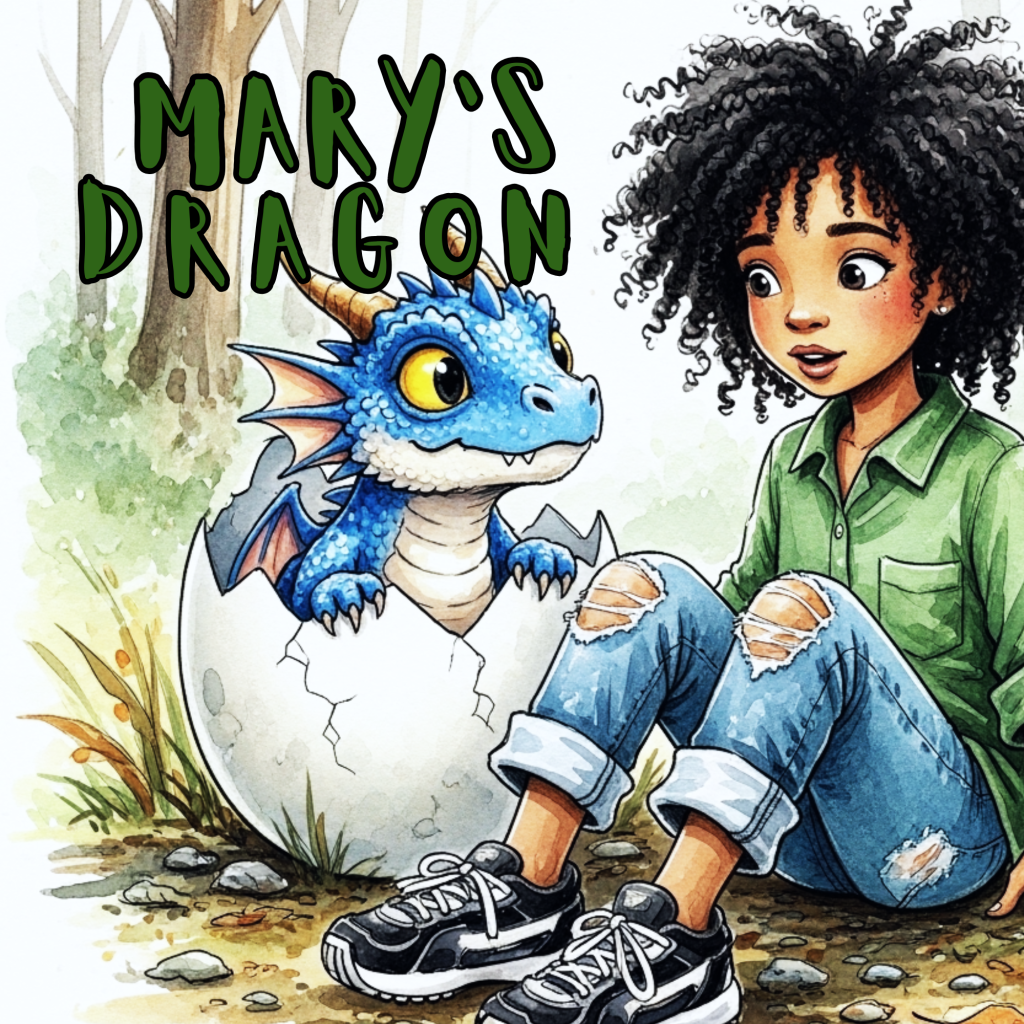
MARY'S DRAGON

Mary’s Dragon blends storytelling and physics to teach the forces of flight: lift, weight, thrust, and drag. Children learn how these forces interact to allow flying, while following a playful story of Mary and her dragon. The poem encourages curiosity, observation, and scientific thinking through imaginative play.
1aakalidragon
1willowmay

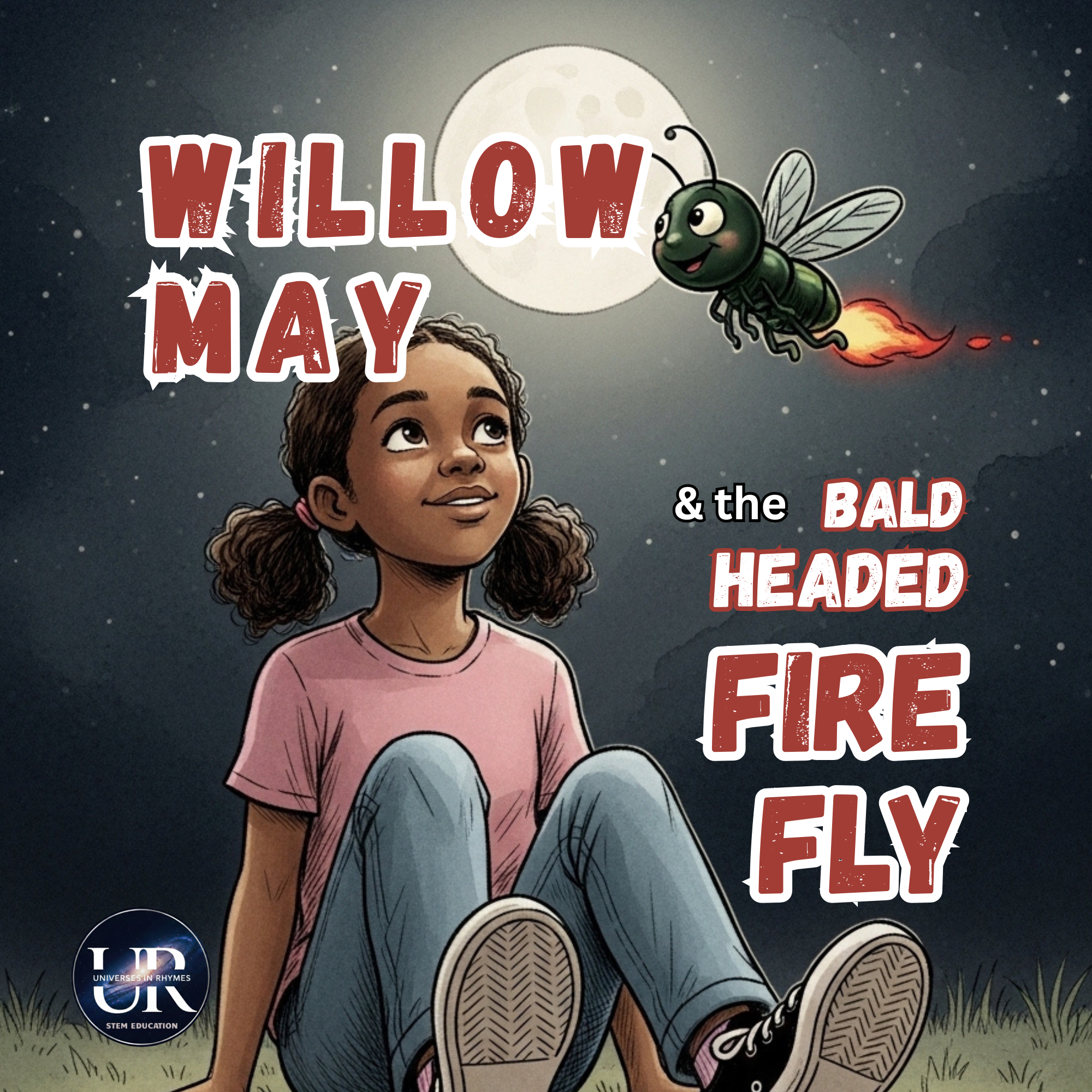
WILLOW MAY & THE BALD HEADED FIREFLY

Willow May follows a young girl searching for her lost puppy. Along the way, a firefly teaches her science concepts (cold light, energy, LEDs) while guiding her home. The story blends adventure, science, and SEL lessons about responsibility, curiosity, and observation.

1othergerms

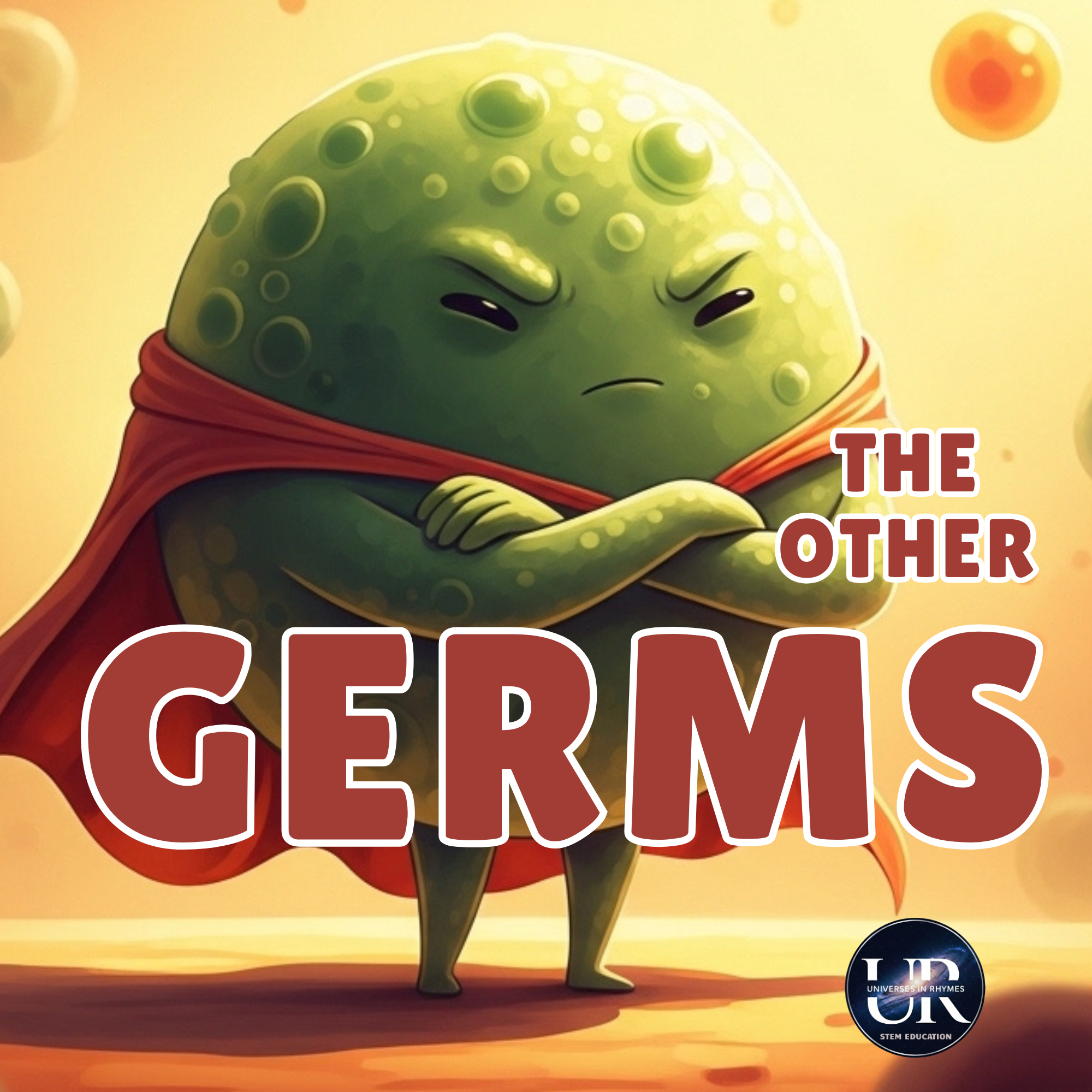
THE OTHER GERMS

The Other Germs introduces children to the concept of beneficial microbes in the human body. The story personifies helpful bacteria as tiny superheroes that protect the body from harmful germs, break down food, and support growth and health. It also emphasizes hygiene and the importance of handwashing to maintain a healthy balance of microbes. The poem combines science concepts with rhyme and rhythm, making microbiology approachable and fun for young learners.

1keyonpolkadottedlion

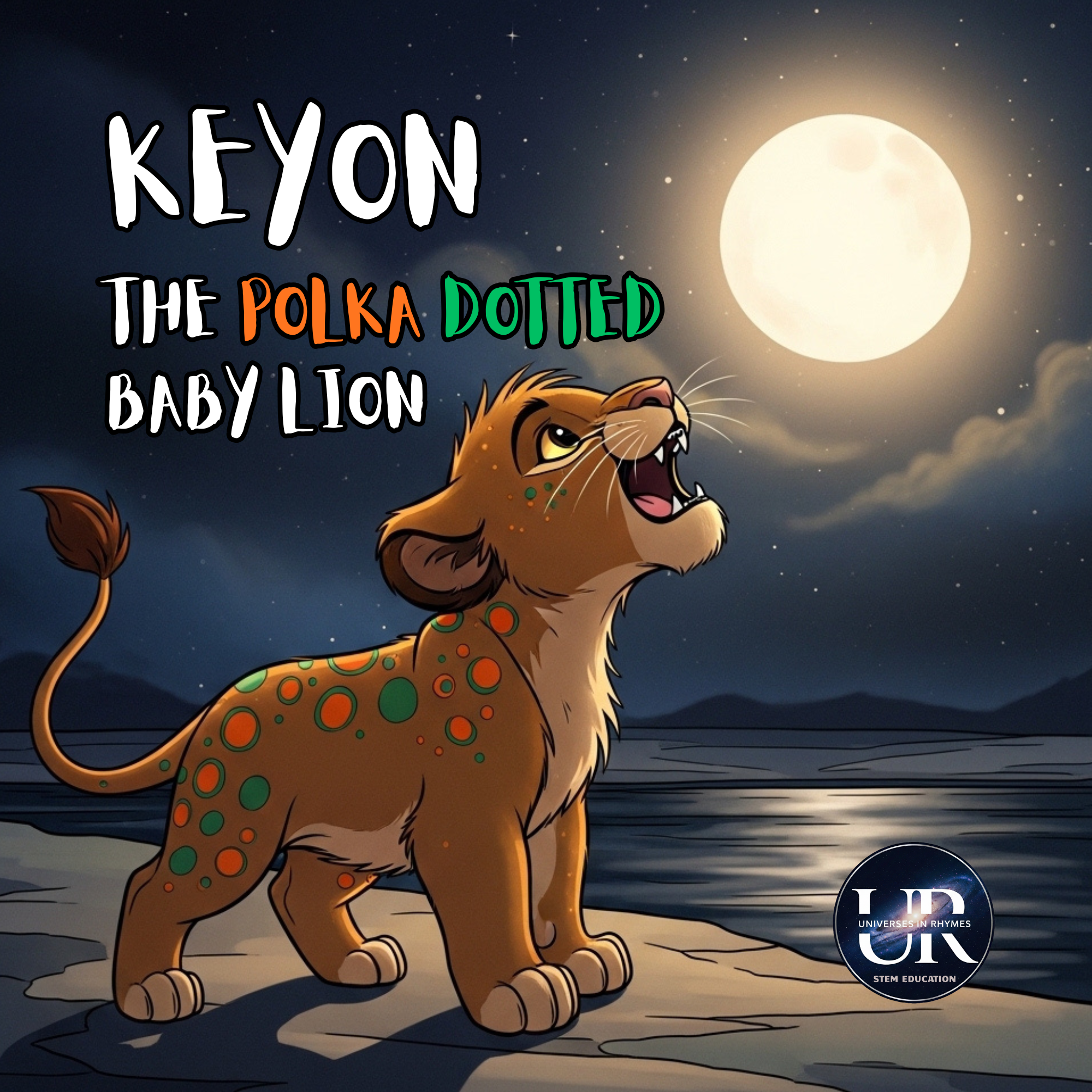
KEYON THE POLKA DOTTED BABY LION

Keyon the Polka-Dotted Lion tells the story of a small, clumsy lion born with unusual orange and green polka dots. Though teased by other animals, Keyon learns courage, resilience, and responsibility. When a storm floods the jungle, Keyon bravely leads the animals to safety. Over time, he grows stronger and more confident, eventually roaring proudly like his father. The story celebrates self-acceptance, perseverance, and leadership.

1smellybutt

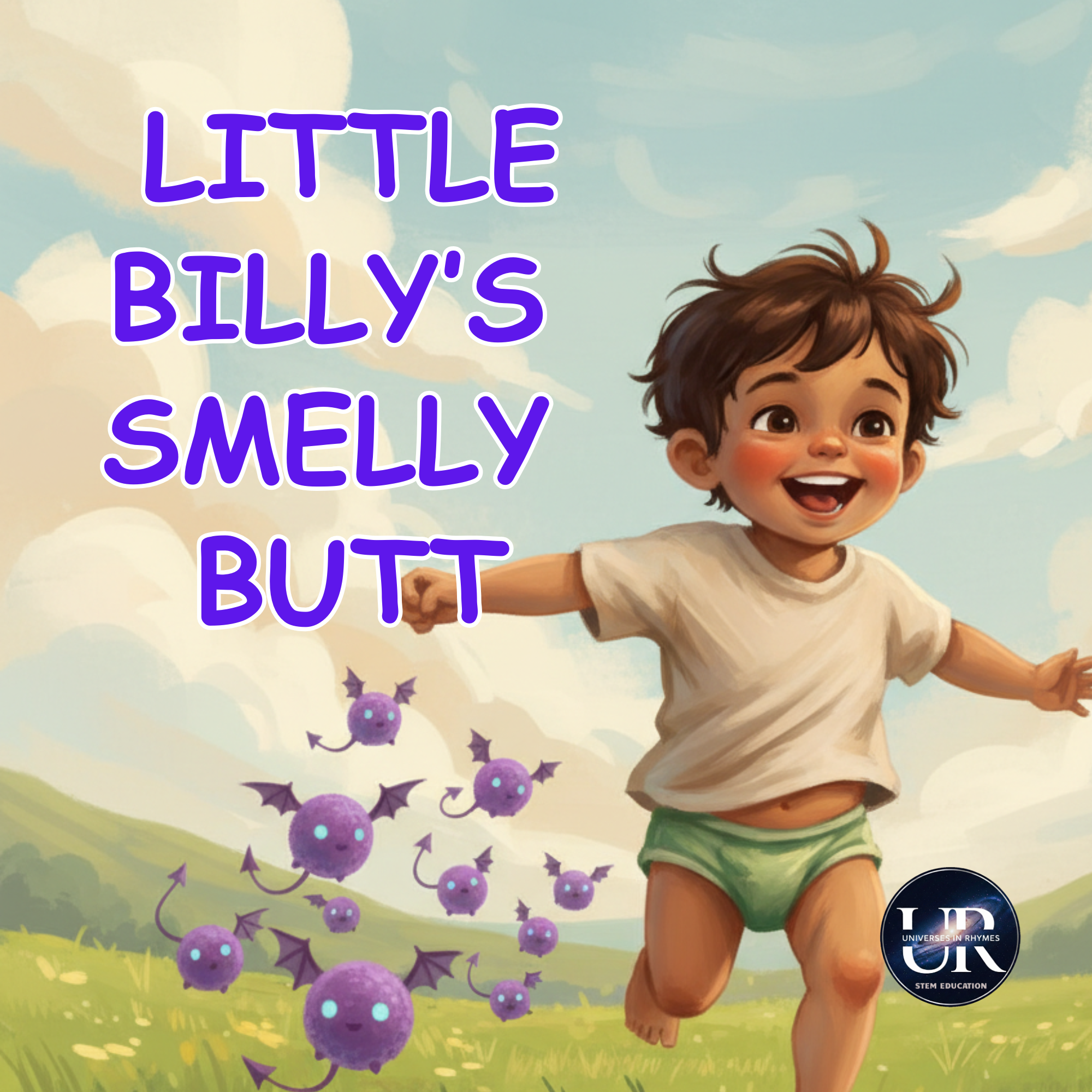
LITTLE GILLY'S SMELLY BUTT

A humorous tale that teaches about hygiene and bacteria. The story combines personal responsibility and fun learning.


1getoffme

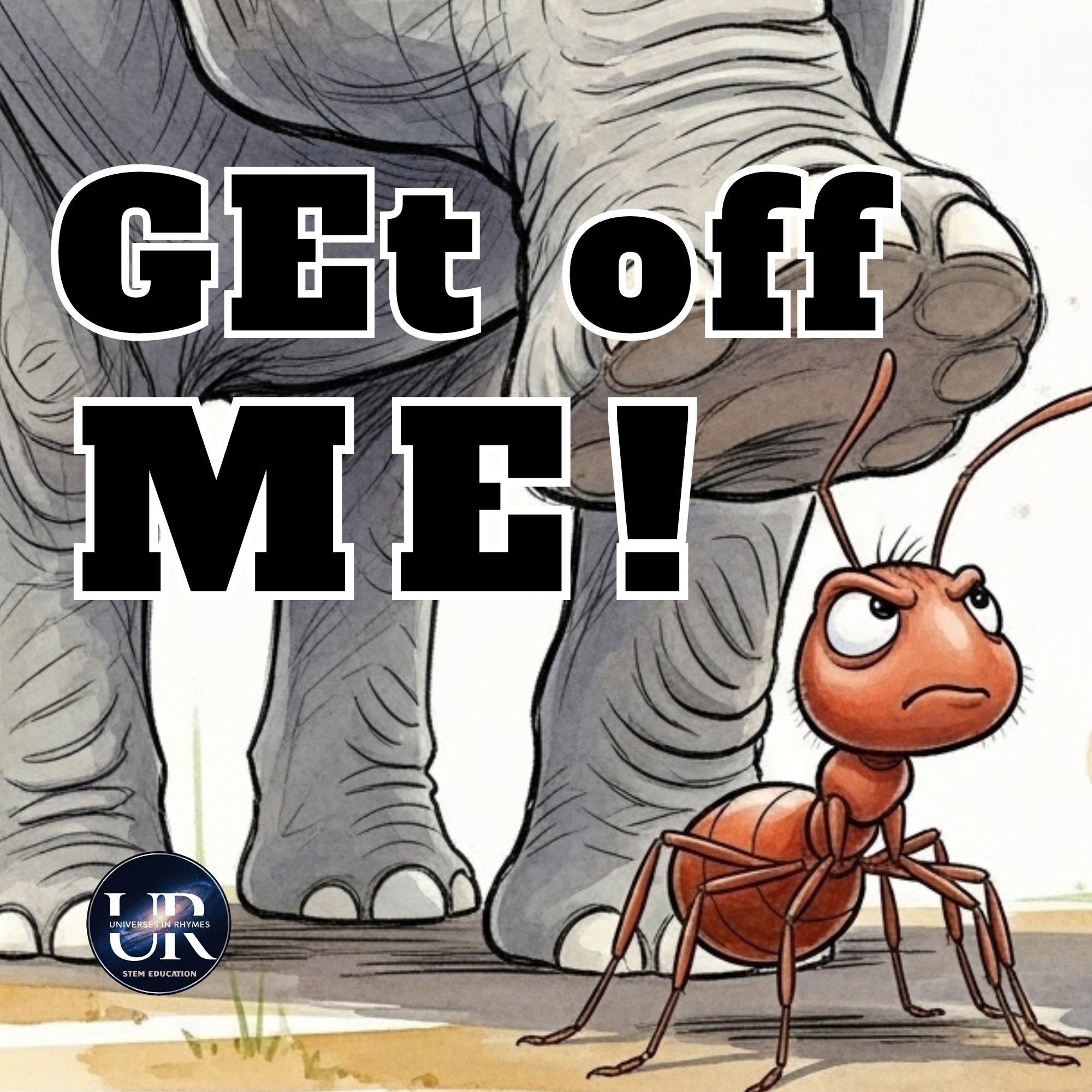
GET OFF ME!

Get Off Me teaches teamwork, math, and physics through a humorous story. An elephant accidentally steps on an ant, which leads an army of ants to work together to lift her leg. Children learn about force, weight, and collective effort, as well as problem-solving and persistence.

1spiderladybug

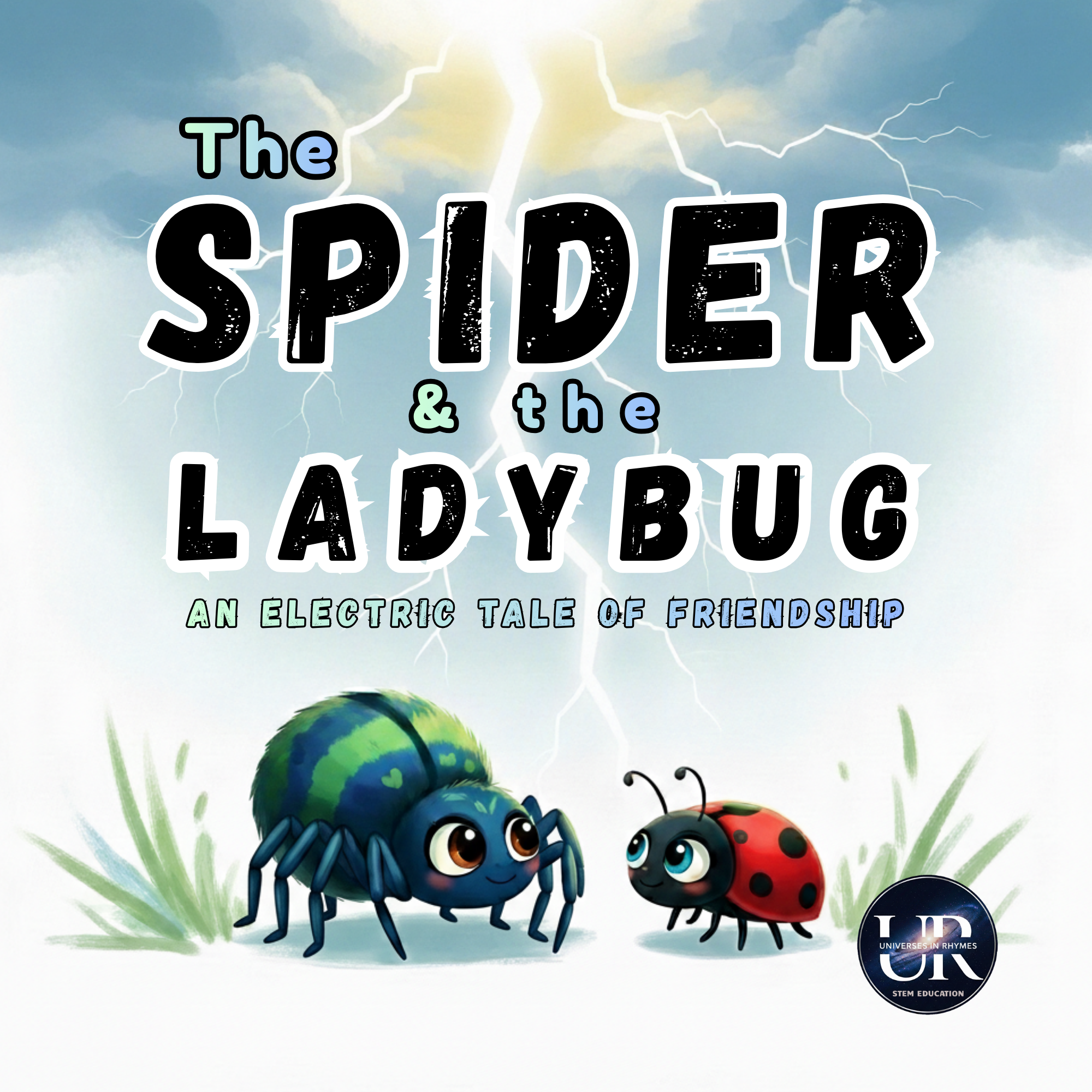
THE SPIDER & THE LADYBUG

The Spider combines storytelling and science, showing how a spider uses silk to overcome obstacles and “float” like a balloon. The poem introduces electricity in nature and how living creatures sense and interact with invisible forces. Children learn perseverance, observation, and curiosity through the spider’s adventure.


1zipandzoom

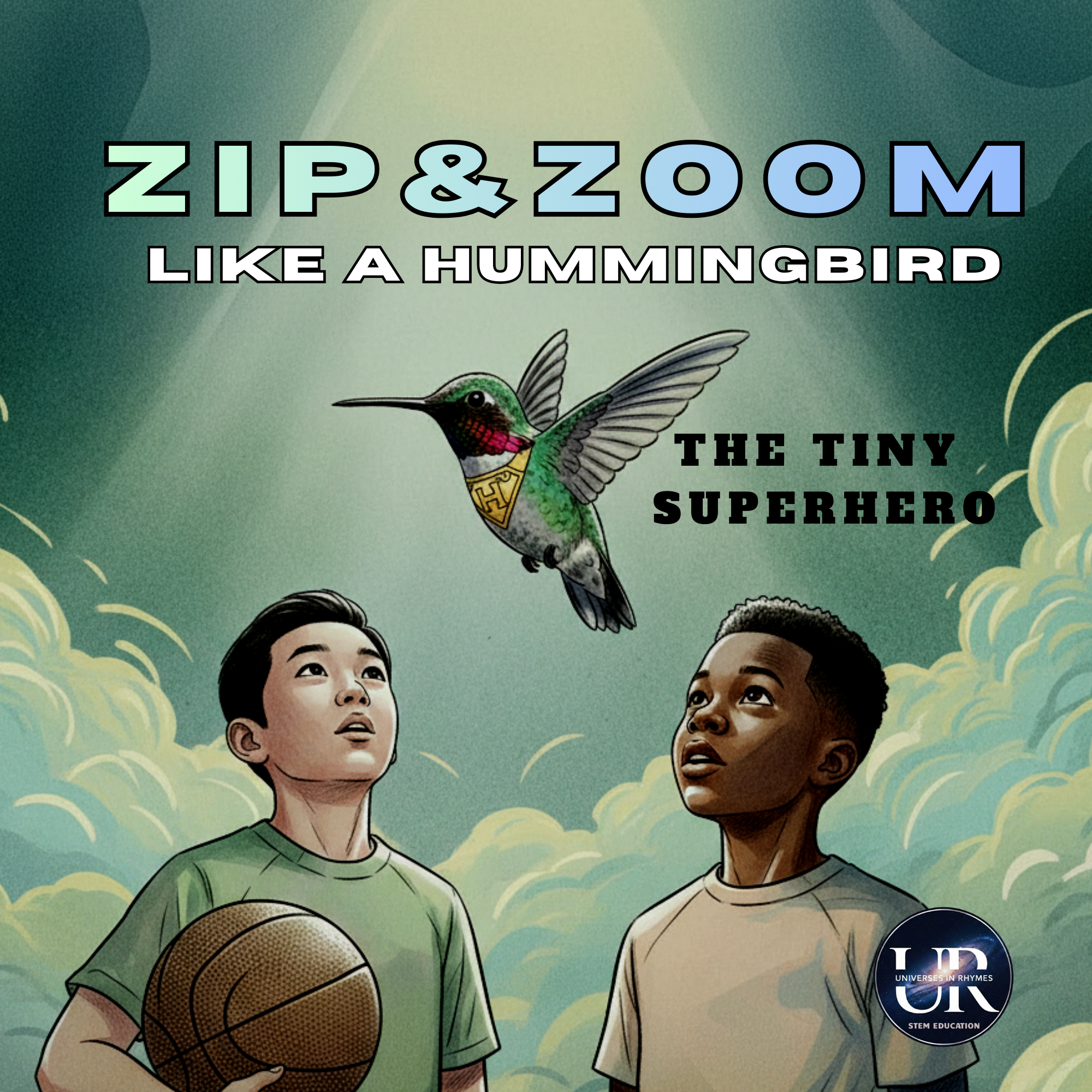
ZIP & ZOOM LIKE A HUMMINGBIRD

Zip and Zoom Like a Hummingbird introduces children to hummingbird flight mechanics. The poem highlights their ability to hover, fly backward, and maneuver with precision. Children learn about wing motion, energy, and aerodynamics through a playful, immersive story.

1whatcolorstar

WHAT COLOR IS YOUR STAR

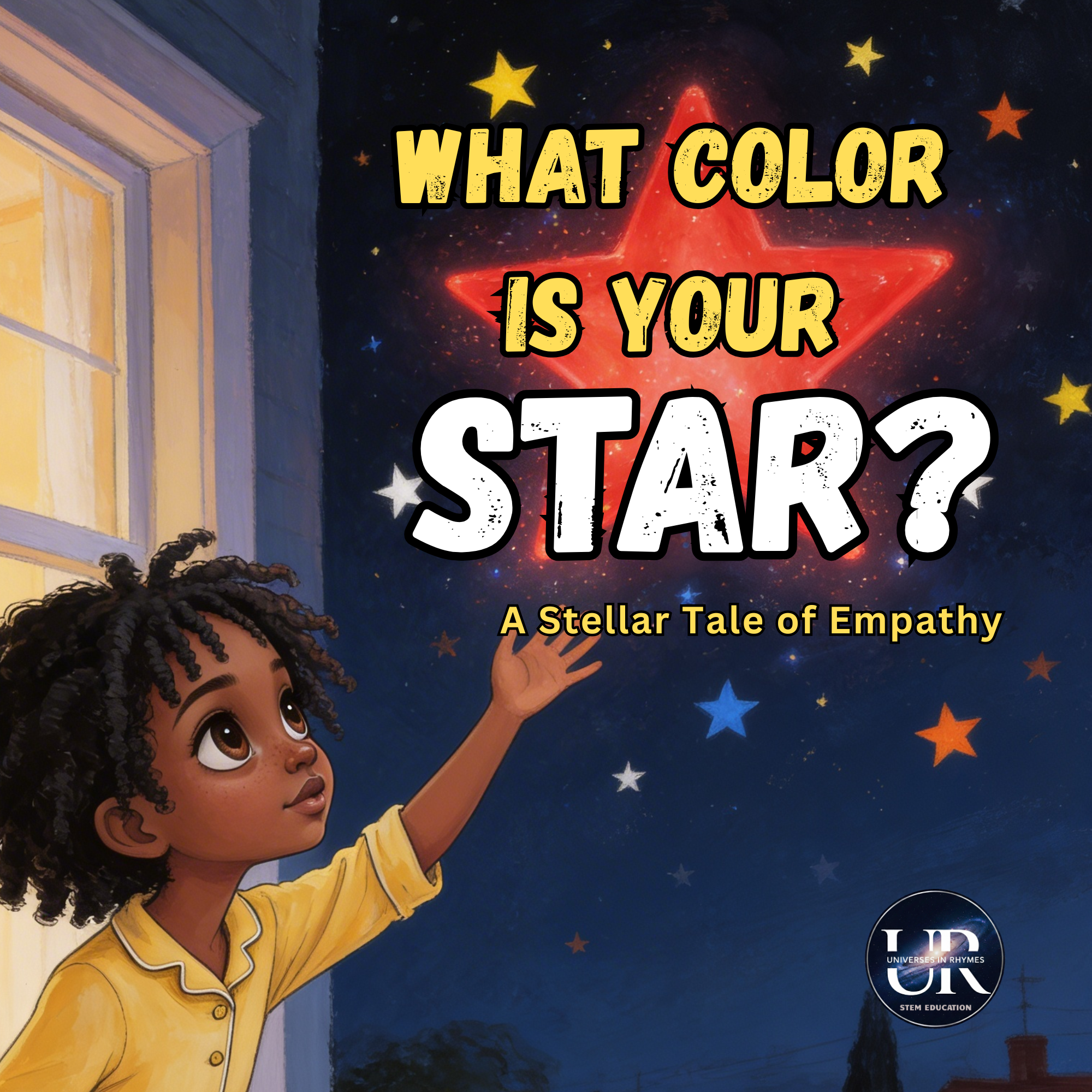
This story introduces children to stellar science by linking a star’s color to its temperature and age. Red stars are cooler and long-lived; orange and yellow stars are moderate (like our Sun); white stars are hotter; blue stars are the hottest but have the shortest lifespan. The poem blends scientific concepts with rhythm, repetition, and imagery, encouraging wonder and curiosity about the universe.